What is Data Mining?

How Your Data Knows You Better Than You Think
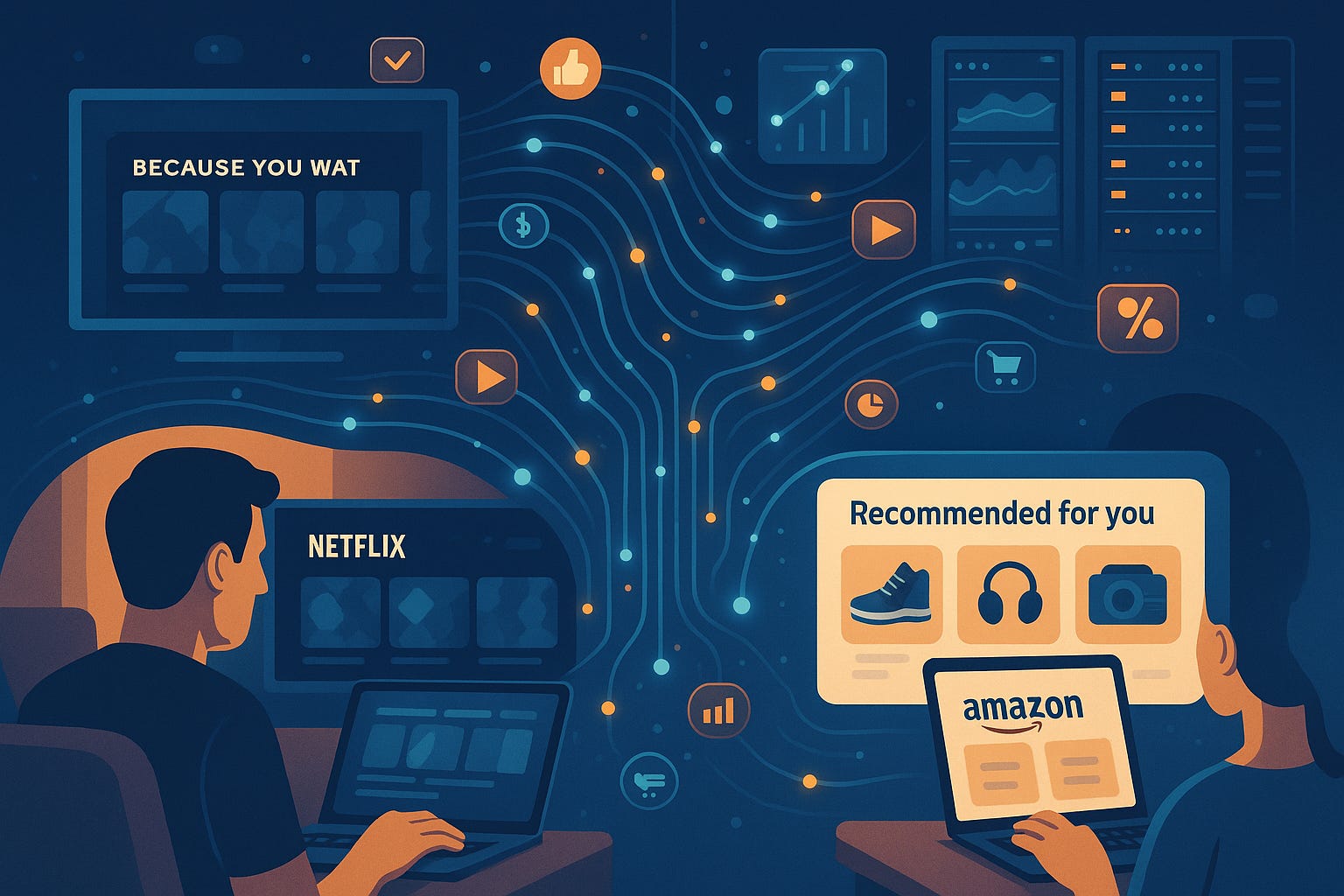
Have you ever noticed how Netflix suggests your next binge-worthy series or how Amazon recommends exactly what you didn’t know you needed? It's not magic, it’s data mining. Behind every personalized recommendation, coupon, or a targeted ad is a system analyzing your digital behavior. Every click, purchase, and search done by you added to a growing mountain of data. This is called raw data and it is pretty much useless. That’s where data mining comes in. In simple terms, data mining is the process of analyzing large datasets to discover patterns, trends, and insights. It helps companies predict what you’ll do next, detect fraud, improve services, and even save lives. In this article, we’ll break down what data mining is, how it works, some core techniques, where it’s used today, and the challenges it raises.
What Is Data Mining?
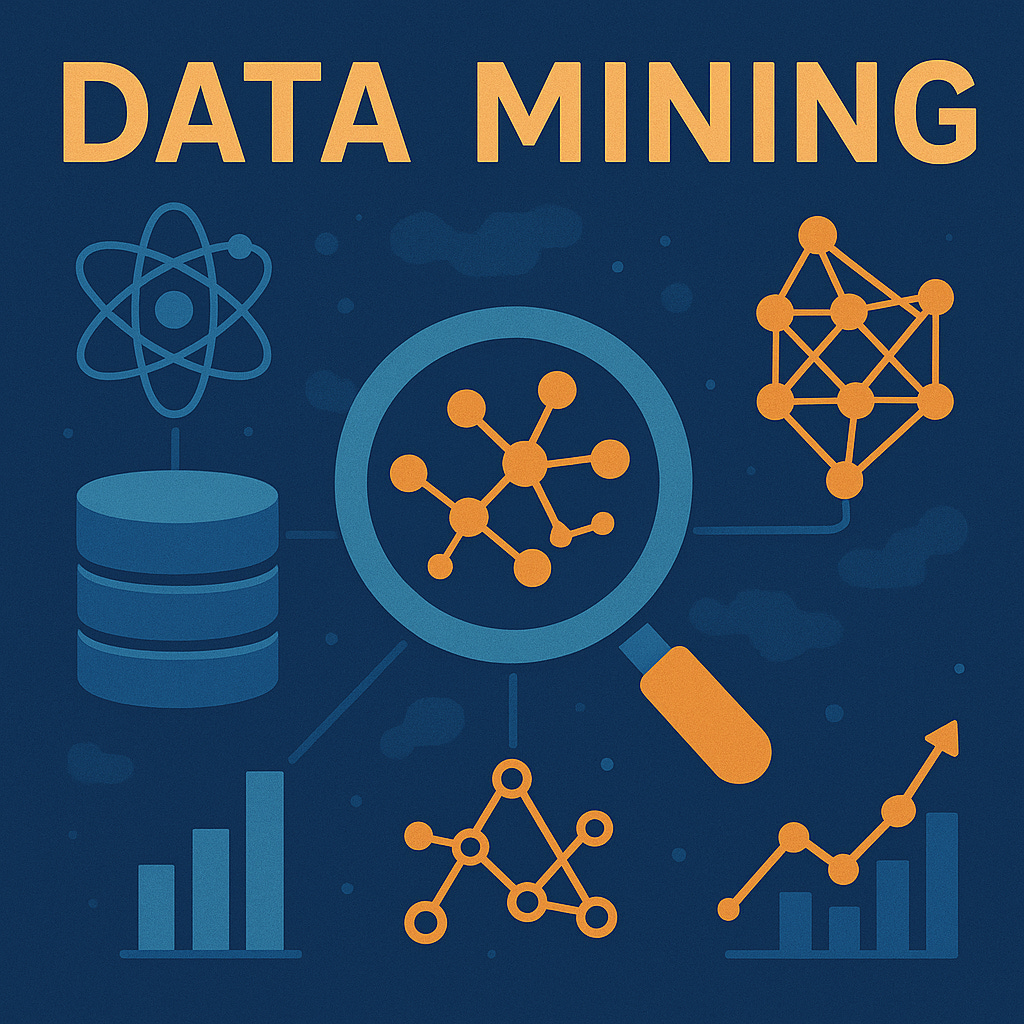
Data mining is the science of turning massive amounts of raw information into useful knowledge. It’s more than just digging pointlessly through data as it combines statistics, machine learning, and database systems to find hidden patterns and link the data together. Unlike data analysis, which often answers specific questions using clean, labeled data, data mining is more exploratory, helping discover things you didn’t know to look for. It also overlaps with machine learning, but while machine learning focuses on making predictions, data mining focuses on pattern discovery. The field took off in the late 20th century as computing power increased and the internet exploded with data. Today, it’s a core part of decision making in almost every industry.
How Does Data Mining Work?
Data mining follows a structured process. First is data collection. Data collection is the process of gathering information from websites, apps, sensors, or transactions. Next comes data cleaning, where duplicates, errors, and missing values are removed. Then, data integration combines sources into one usable dataset. After that, tools and algorithms help with pattern discovery, revealing trends or connections. Finally, analysts evaluate and interpret the findings to draw suitable conclusions. Common tools include Python, R, RapidMiner, and Weka. Behind the scenes, techniques like clustering, decision trees, and regression models are used to uncover meaningful insights. Though the process is technical, the ultimate goal is simple: find value in data.

Key Data Mining Techniques
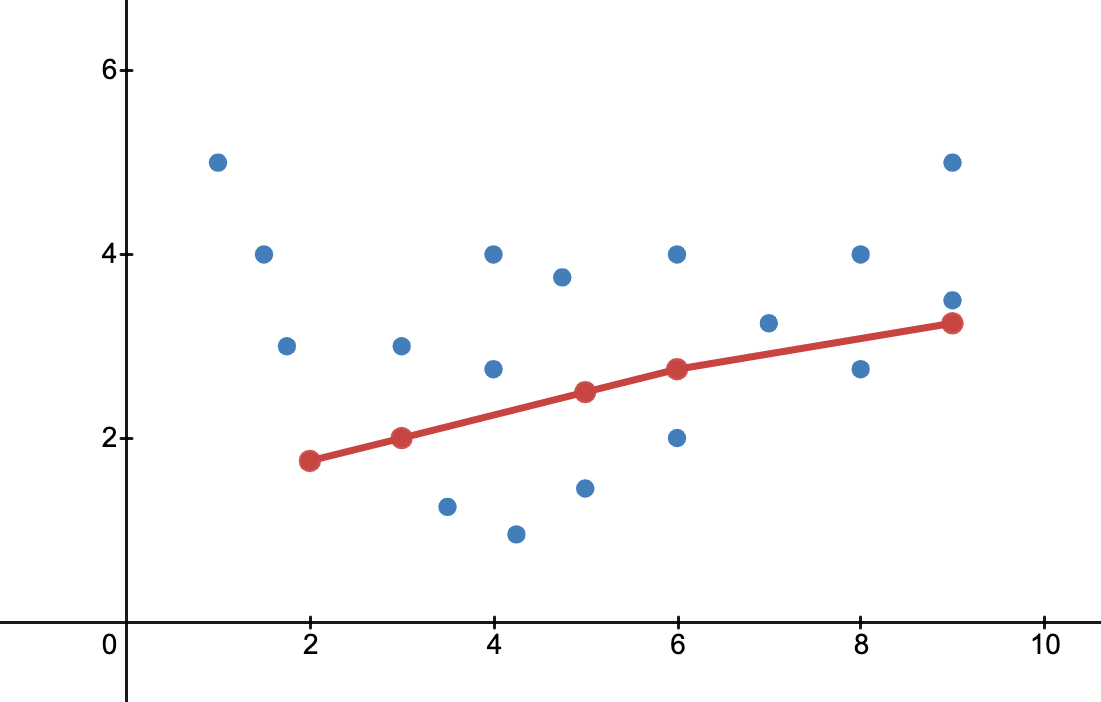
Several powerful techniques make it possible to uncover meaningful insights from large datasets. One of the most common is classification. Classification involves sorting data into predefined categories such as labeling emails as spam or not spam. Next there is clustering which is similar but doesn’t rely on existing labels; instead, it groups together data points that share similar characteristics, making it useful for things like customer segmentation. There is also association rule mining which looks for relationships between items, such as discovering that people who buy peanut butter often buy jelly as well. Regression is used to predict numerical outcomes, like estimating future sales based on past trends. Meanwhile, anomaly detection focuses on spotting unusual or unexpected patterns such as detecting fraudulent activity in banking transactions. These techniques are often paired with visual tools like graphs, heat maps, or decision trees to make complex patterns easier to see and understand. When used together, these methods help turn overwhelming amounts of raw data into clear, actionable insights that can drive real-world decisions.
Where Data Mining Is Used Today
Data mining is used everywhere:
Business: Predicting buying behavior, optimizing ads, improving customer experience.
Healthcare: Identifying disease risks, personalizing treatments, managing hospital resources.
Finance: Credit scoring, fraud detection, investment risk analysis.
Social Media: Trend detection, opinion analysis, content recommendation.
Public Sector: Crime pattern detection, traffic analysis, environmental monitoring.
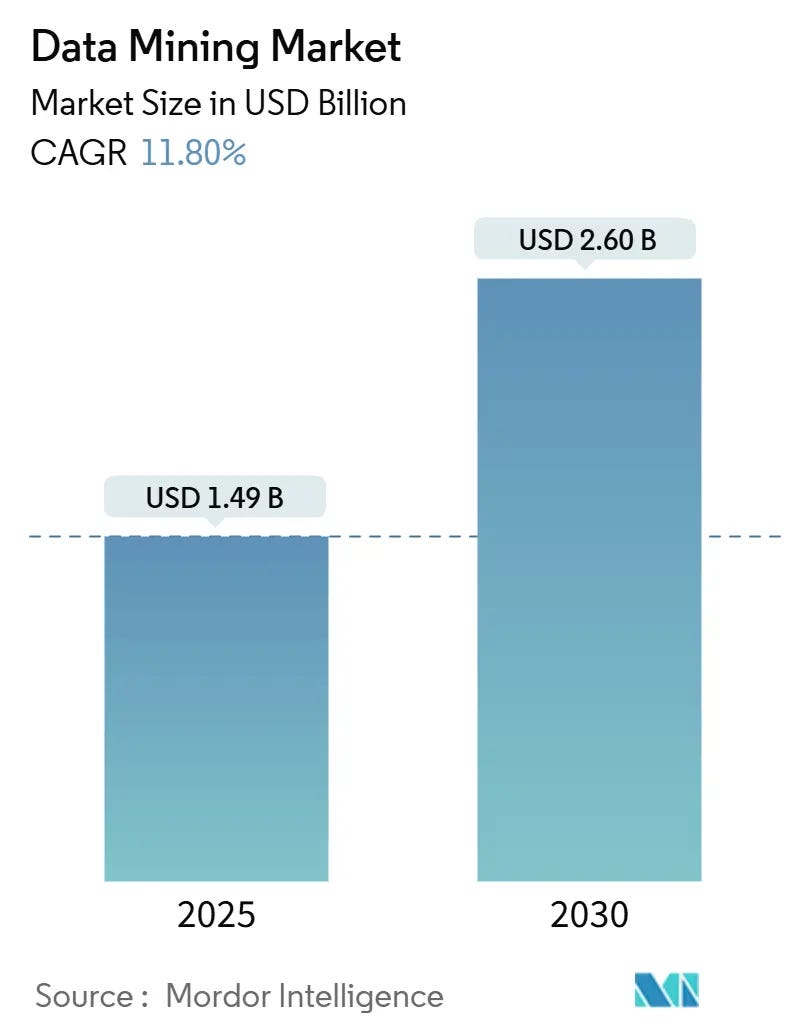
From your shopping cart to your city’s traffic flow, data mining shapes everyday life.
![Artificial Intelligence Market Size, Drivers & Opportunities [2032]](https://substackcdn.com/image/fetch/$s_!6Dhq!,f_auto,q_auto:good,fl_progressive:steep/https%3A%2F%2Fsubstack-post-media.s3.amazonaws.com%2Fpublic%2Fimages%2Fad1635a8-bd0e-4024-b807-875f3f34d9ee_1170x1010.webp "Artificial Intelligence Market Size, Drivers & Opportunities [2032]")
Challenges and Ethical Concerns
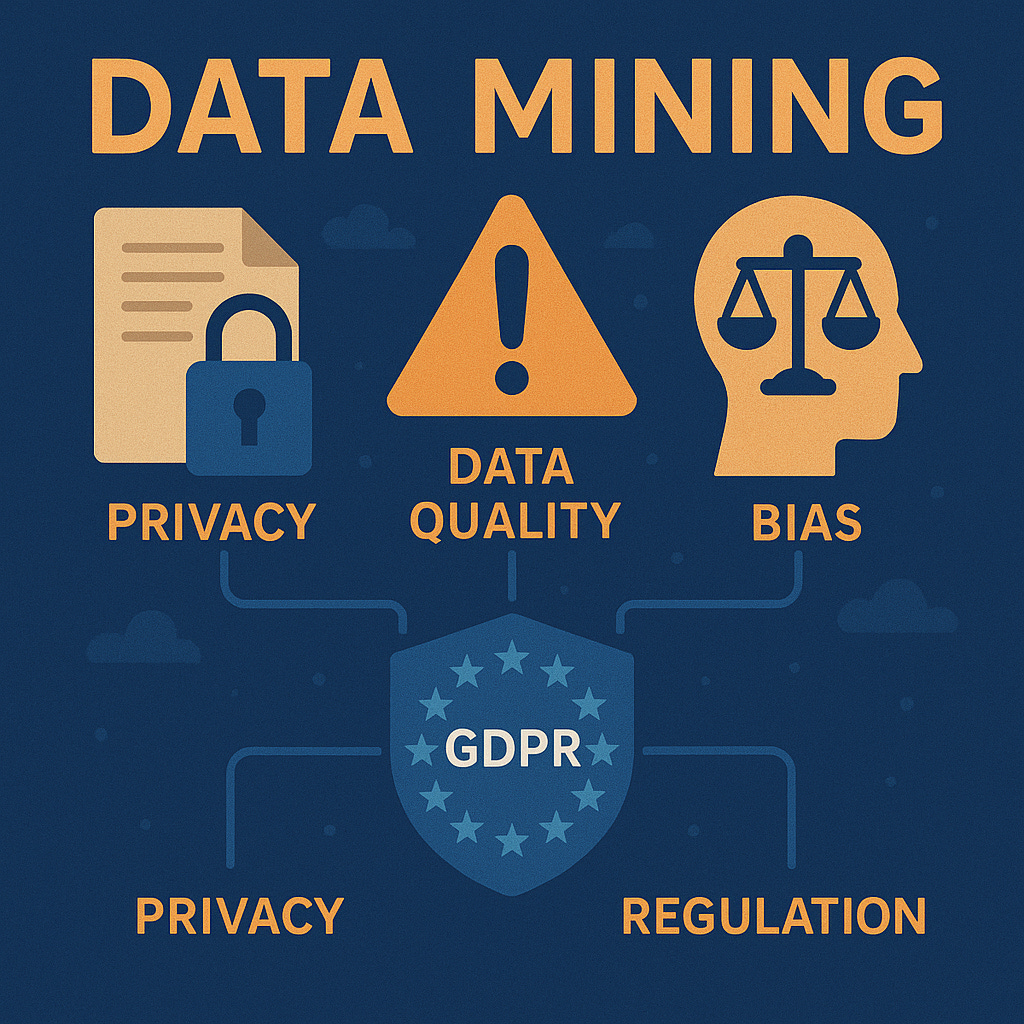
As powerful as data mining is, it comes with real concerns. Privacy is a major issue as users often don’t know how their data is being collected or used. Another issue is regarding poor data quality which can lead to false insights and misinterpreting patterns can result in bad decisions. Bias in algorithms is another concern as algorithms can unfairly target certain groups if training data is flawed. Regulations like the GDPR in Europe aim to protect users, but enforcement and transparency still lag behind technology. As data mining continues to expand across industries, corporations and individuals must keep in mind that it's not just about what’s possible but about using data responsibly, ethically, and with real human impact in mind.
Conclusion: Why It Matters Now More Than Ever
Data mining is one of the invisible forces shaping the digital world. It powers smarter apps, personalized services, better decisions, and sometimes controversial ones. As AI and automation grow, data mining will become even more central to how businesses and governments operate. Whether you’re a curious consumer or an aspiring tech professional, understanding data mining isn’t just useful, it’s essential in today’s world. After all, your data is talking. Don’t you want to know what it’s saying?